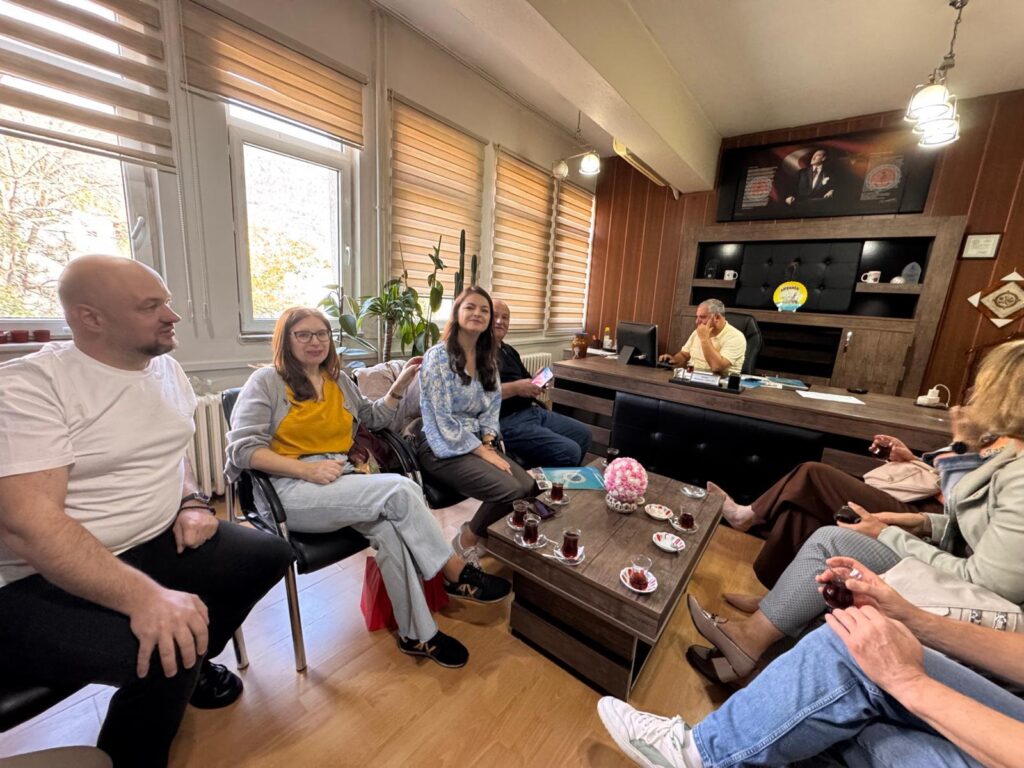
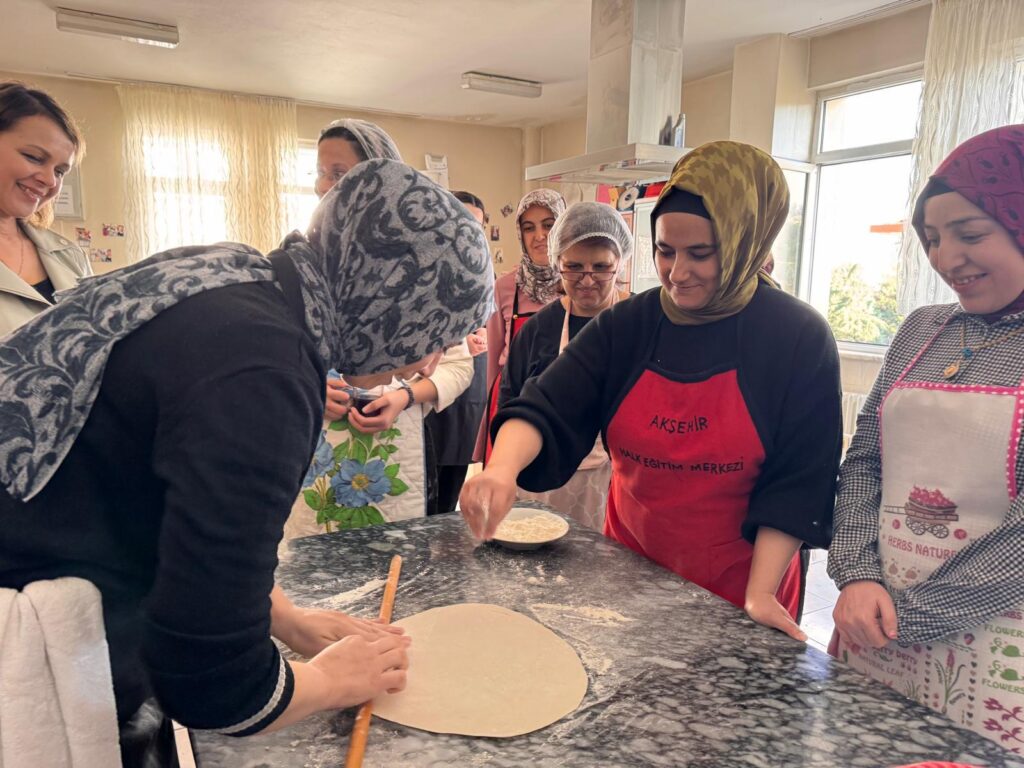
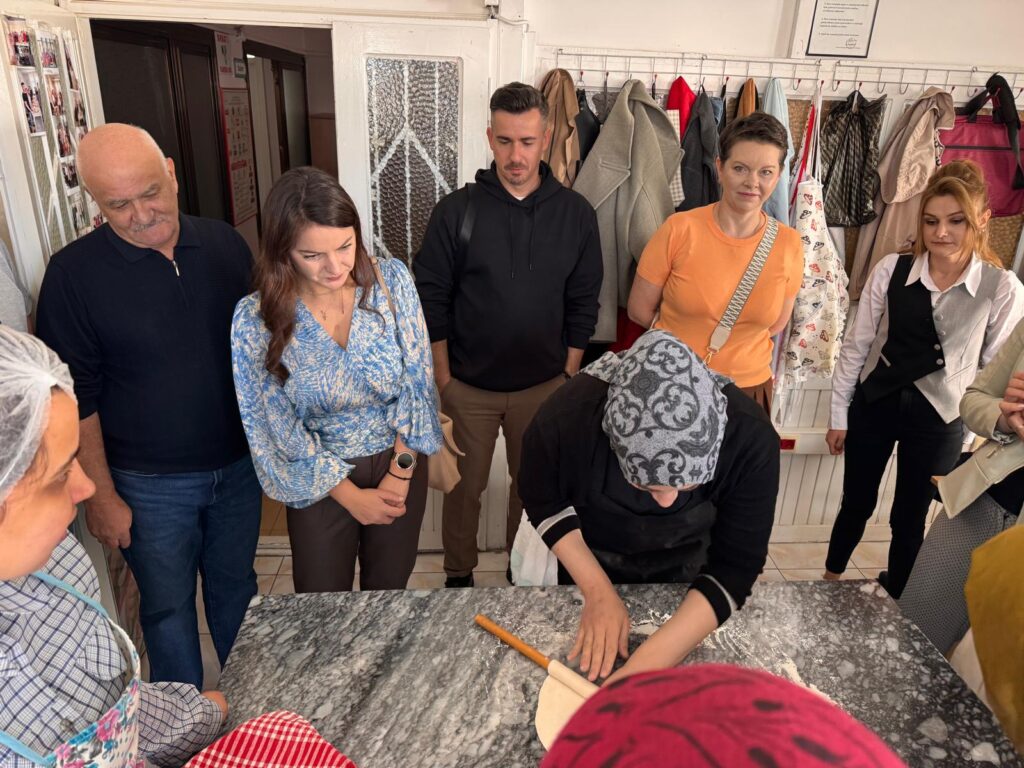
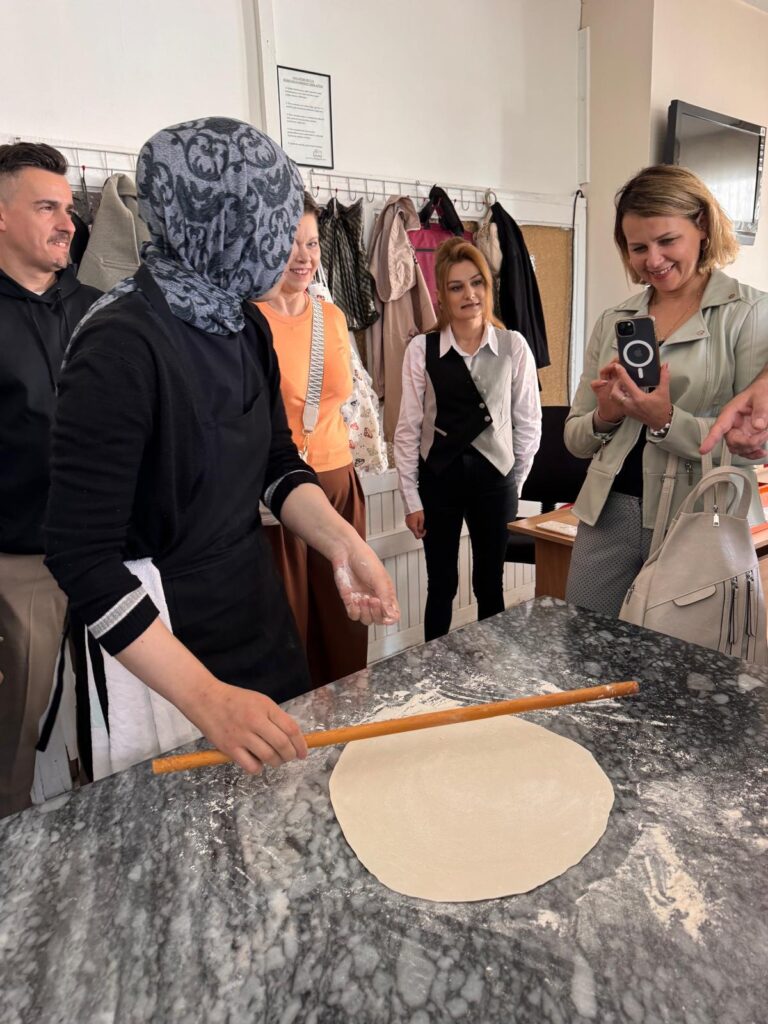
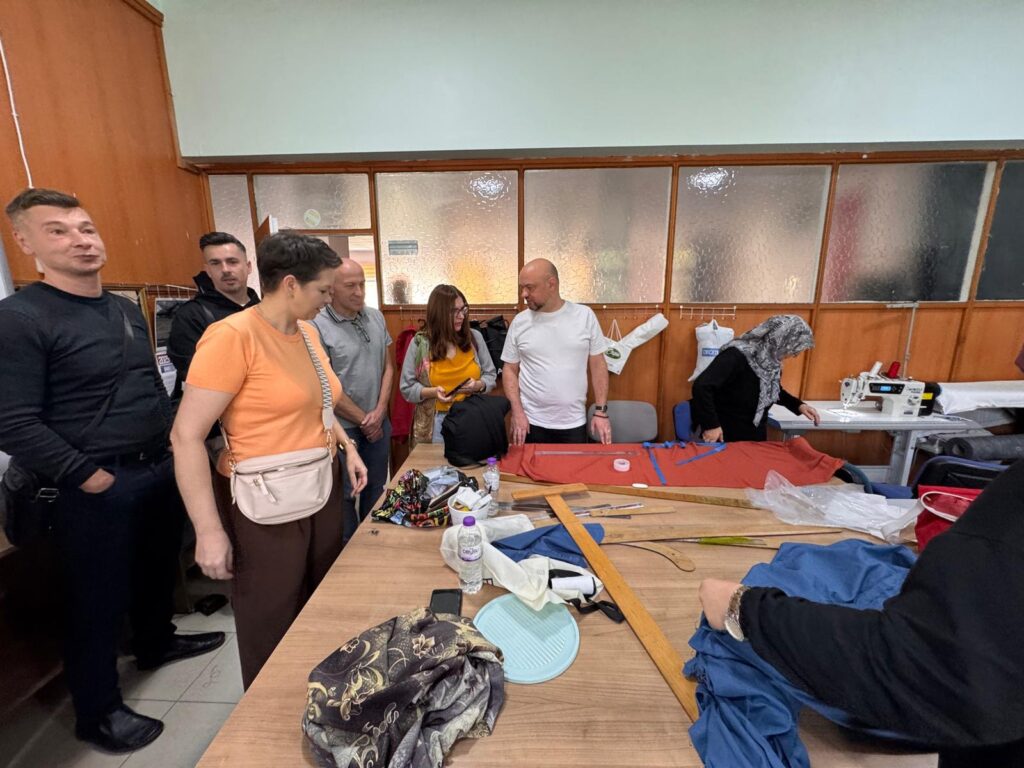
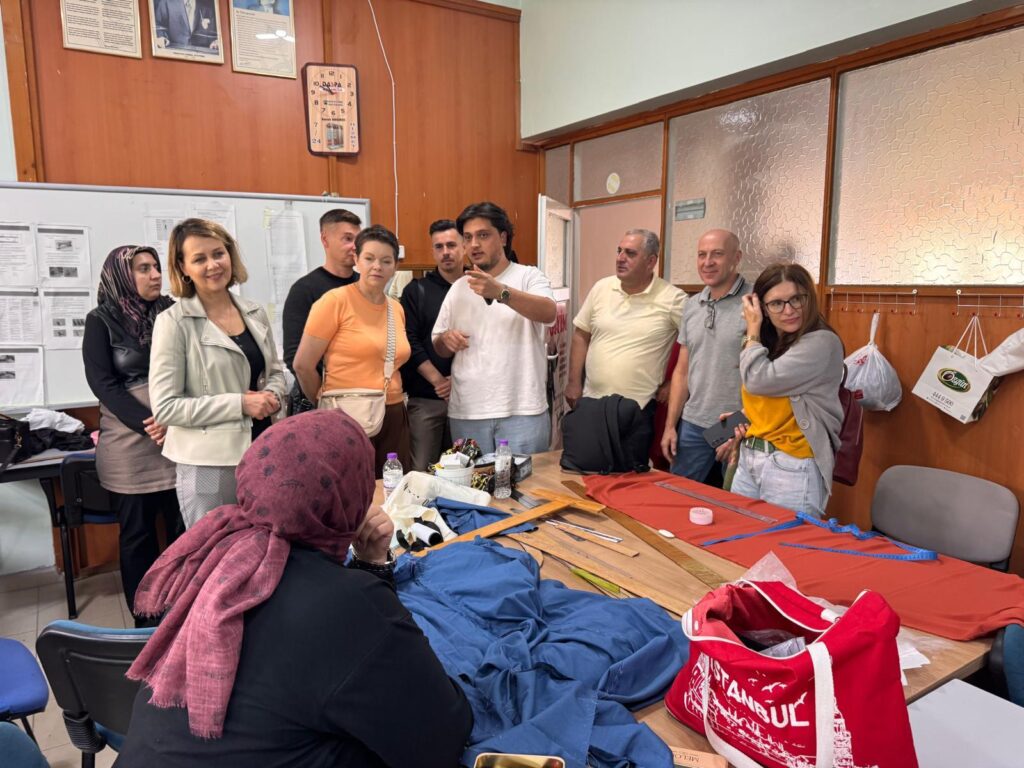
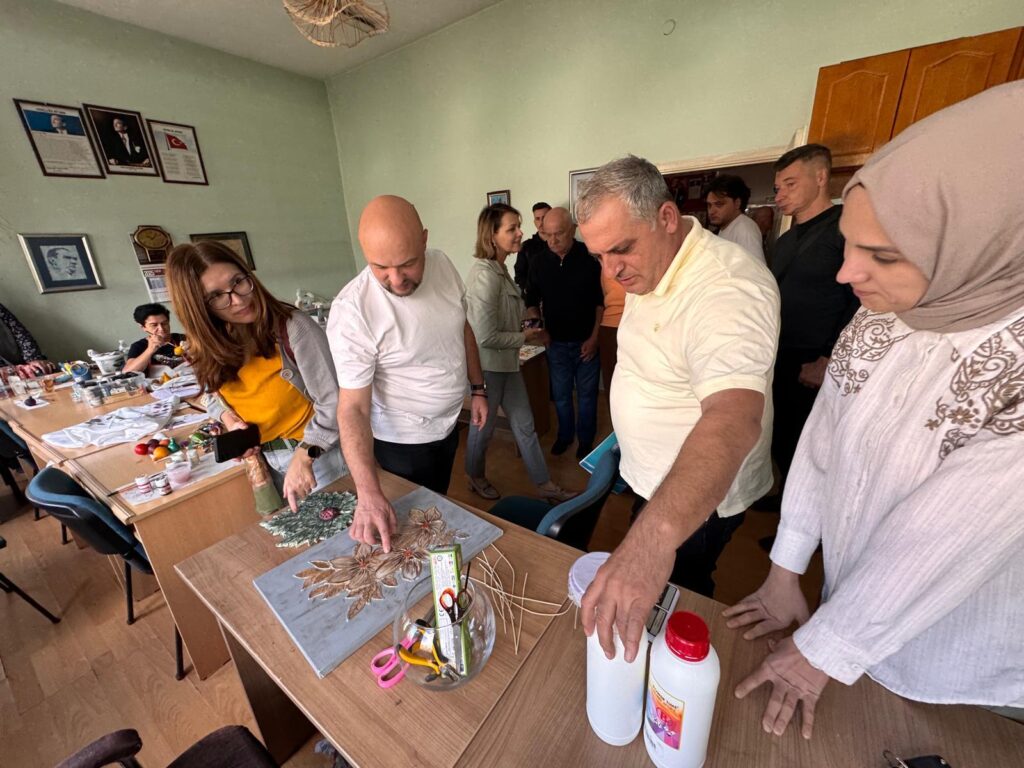
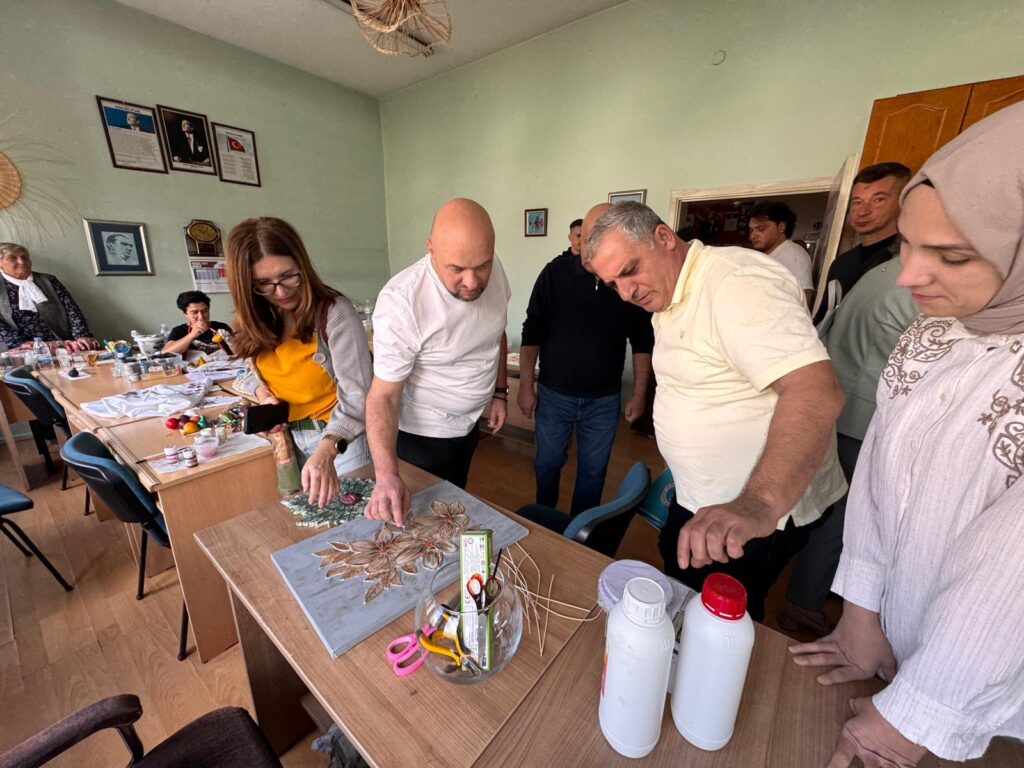
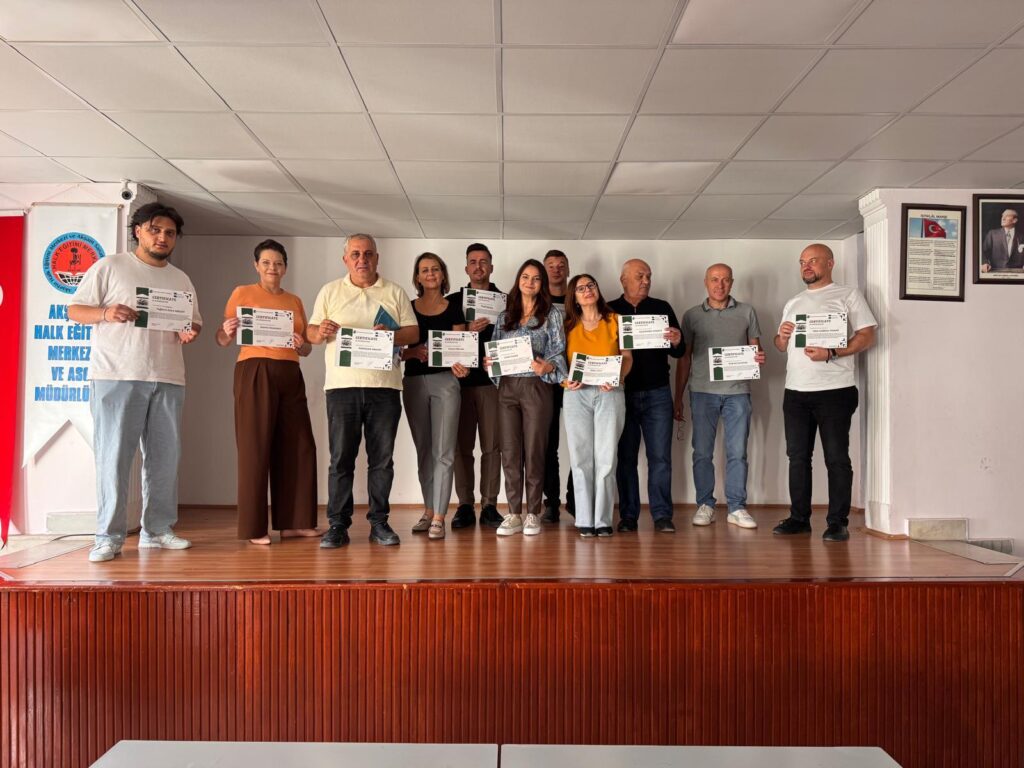
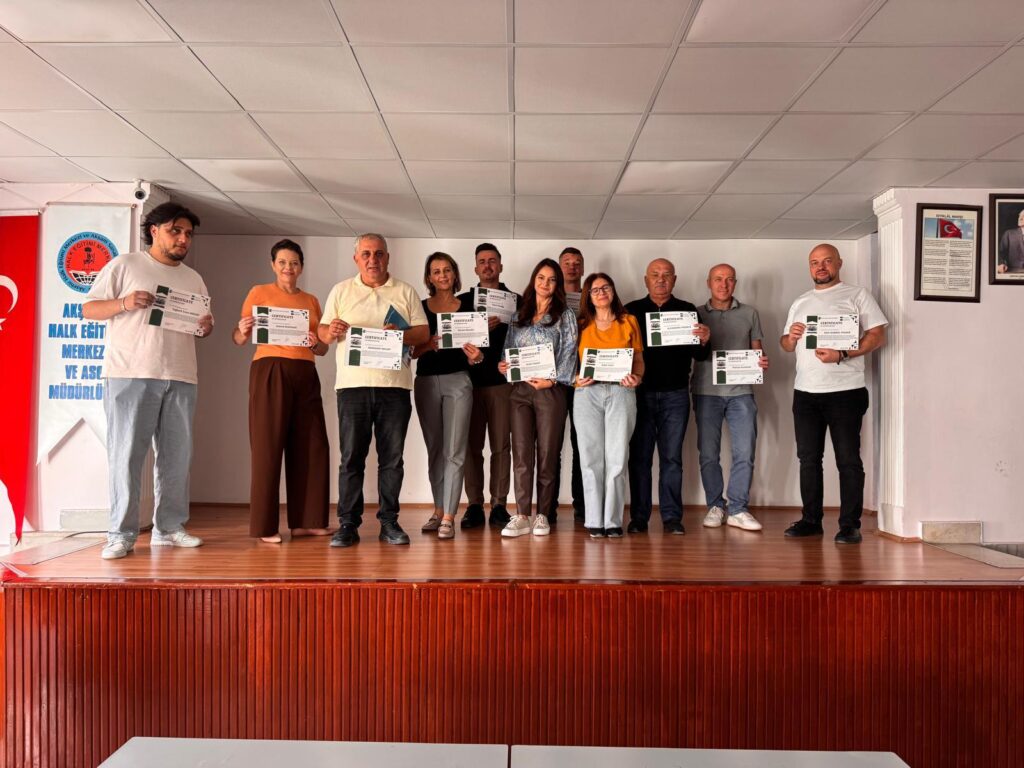
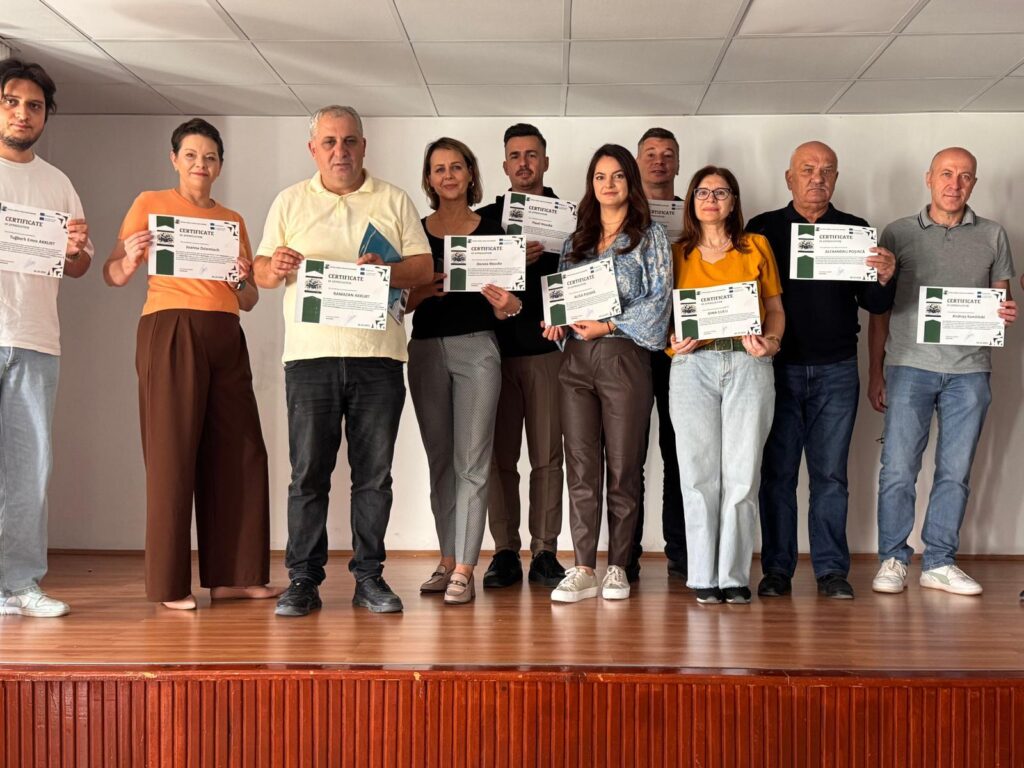
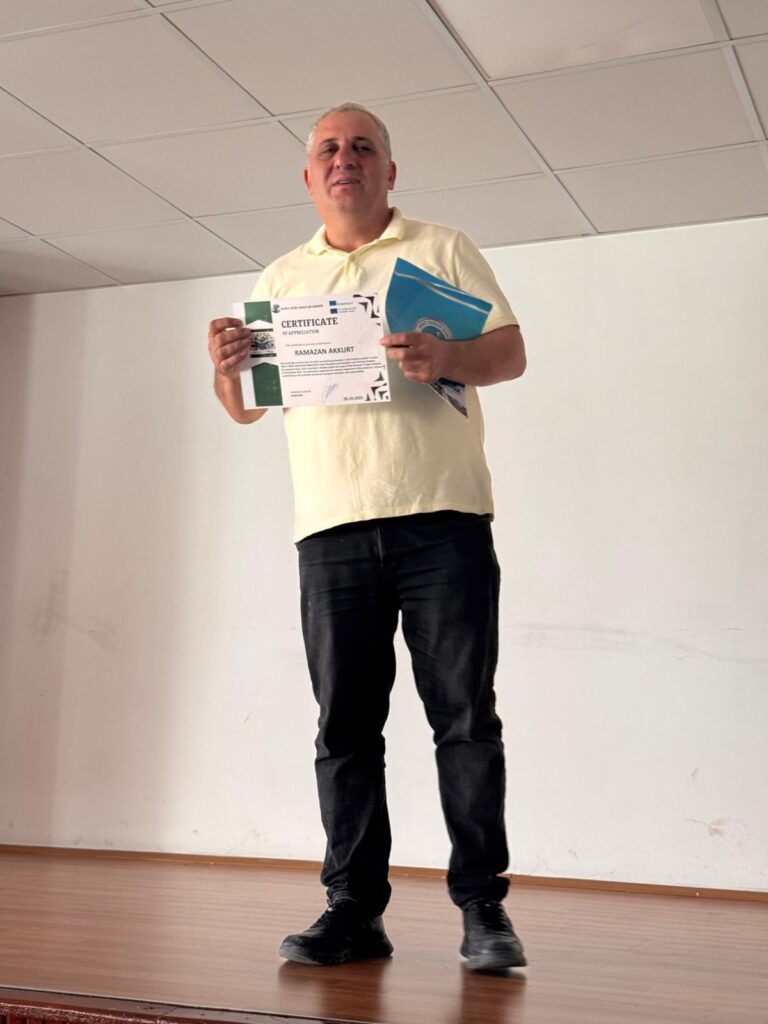
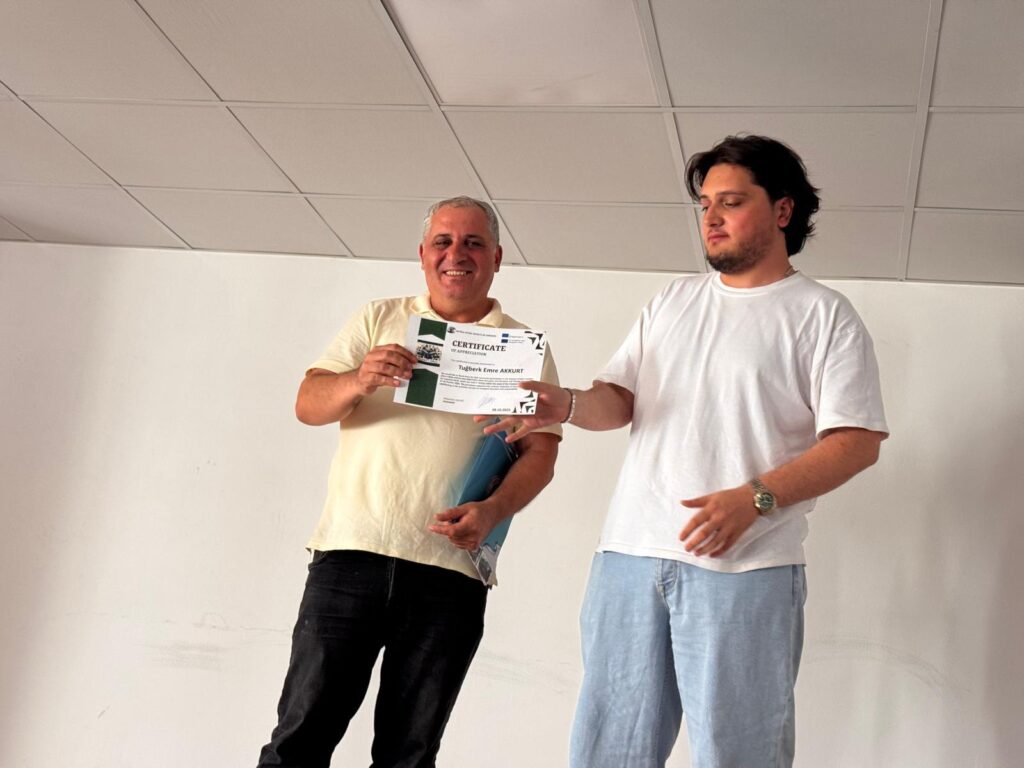
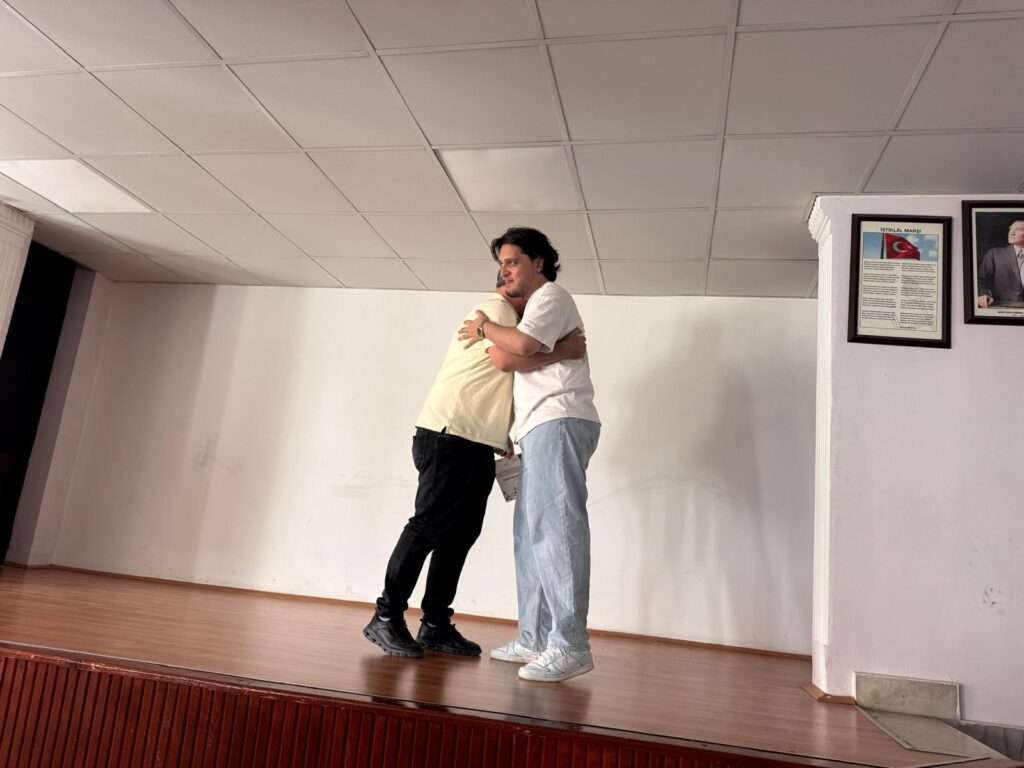
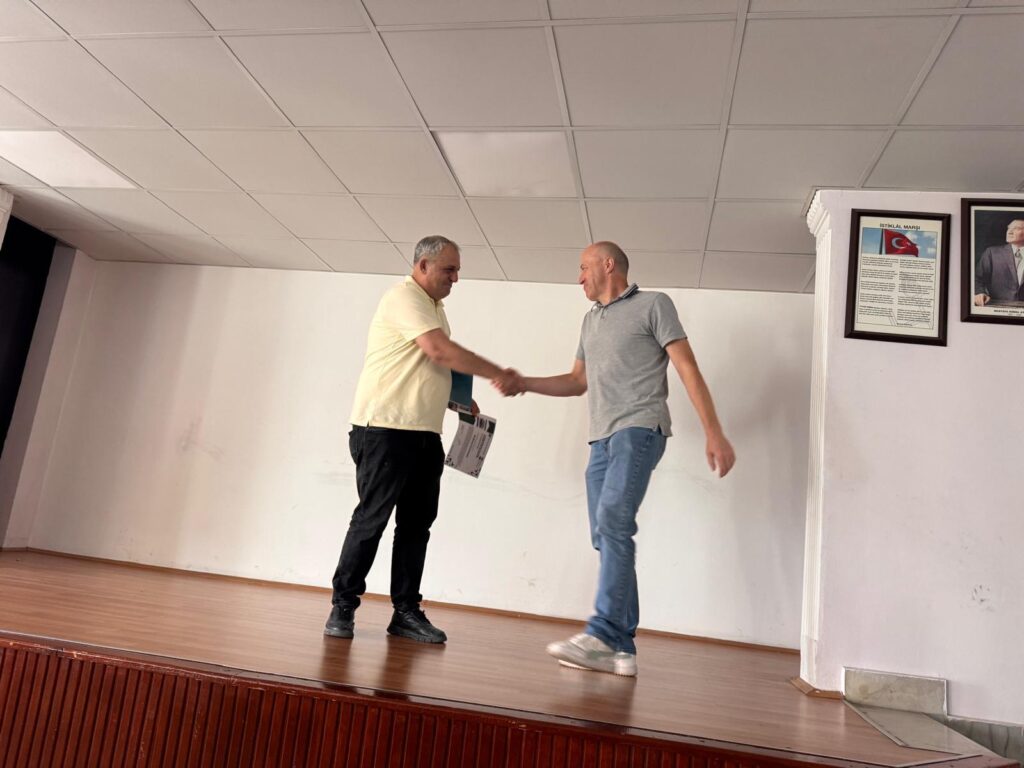
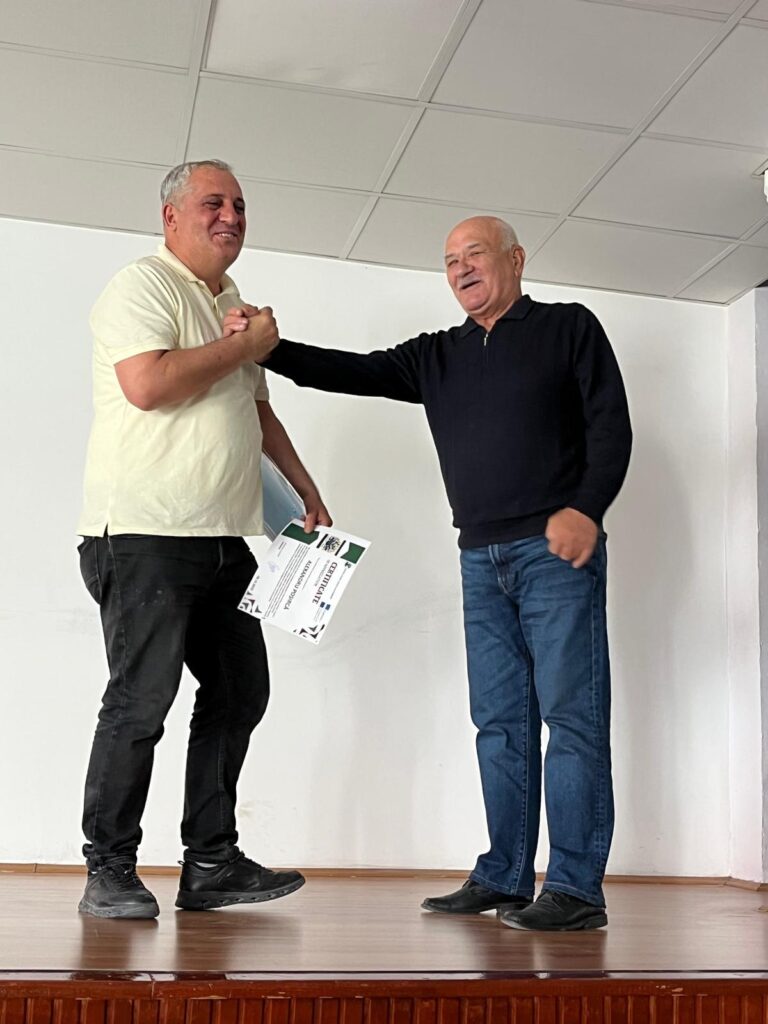
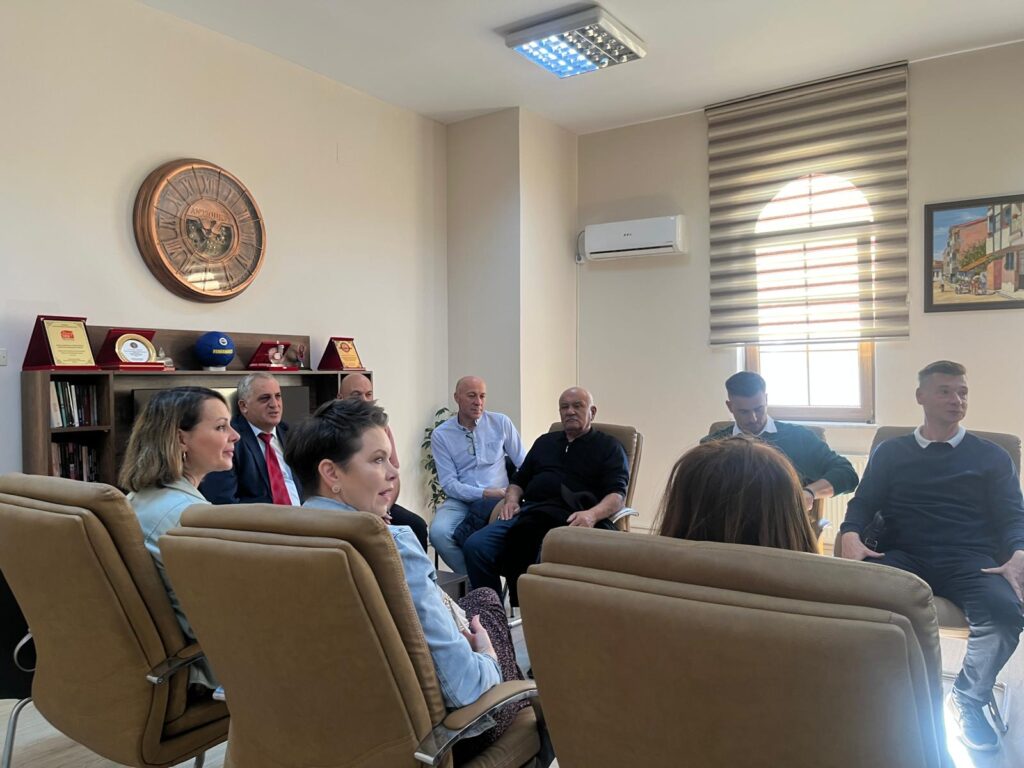
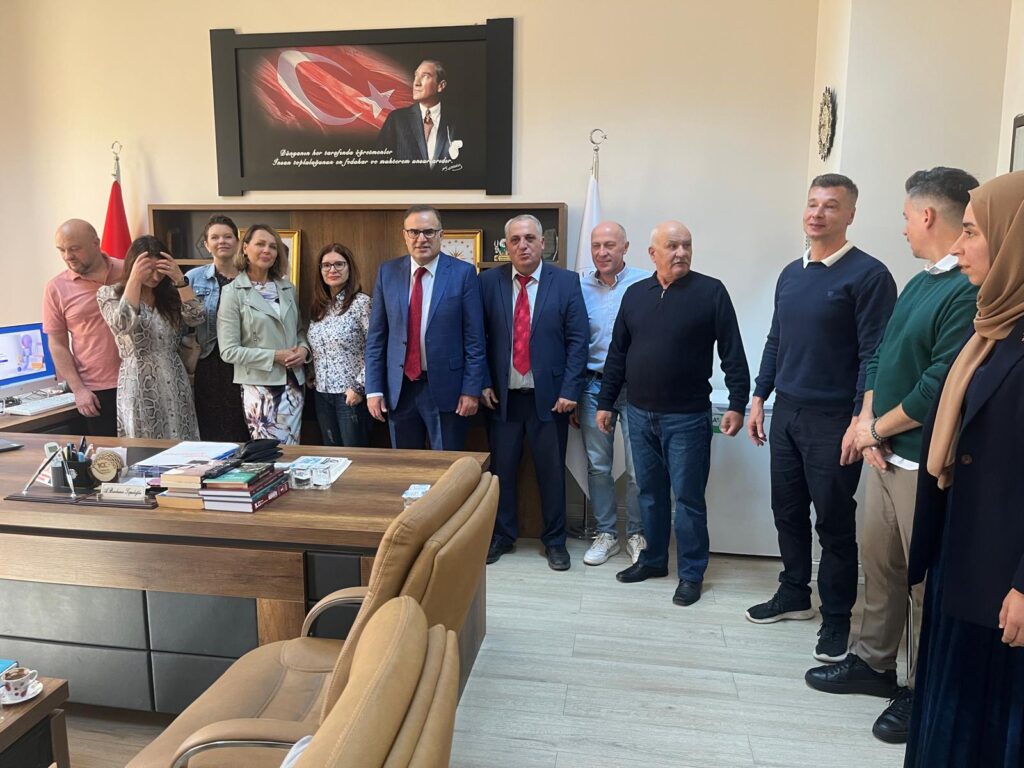
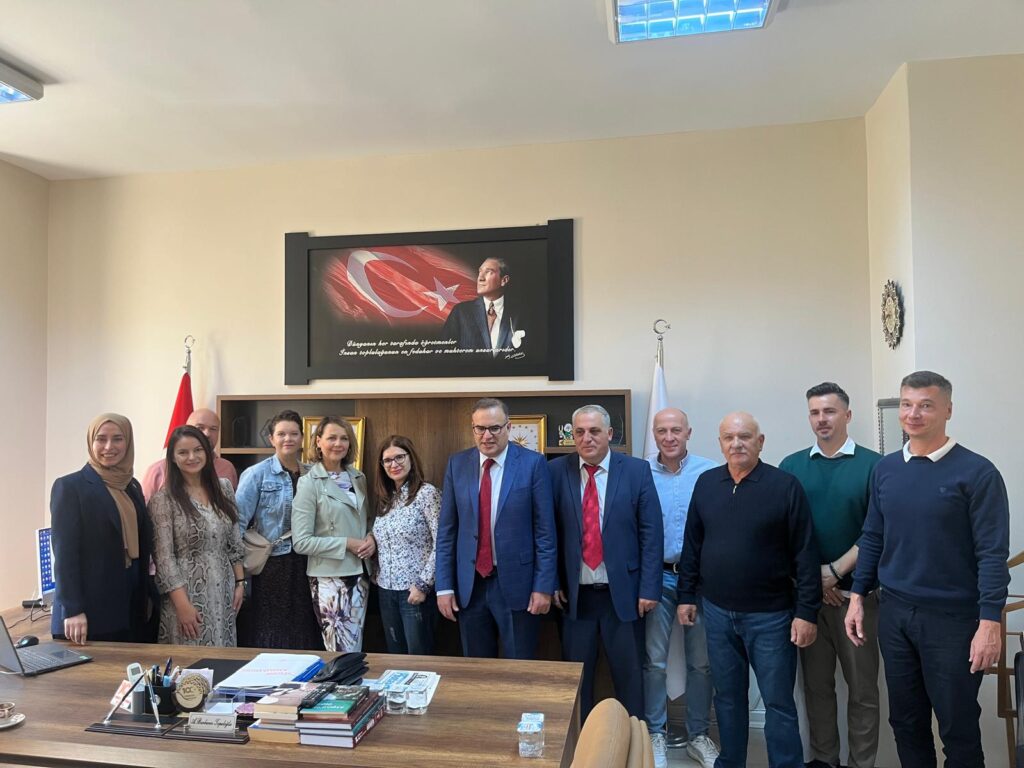
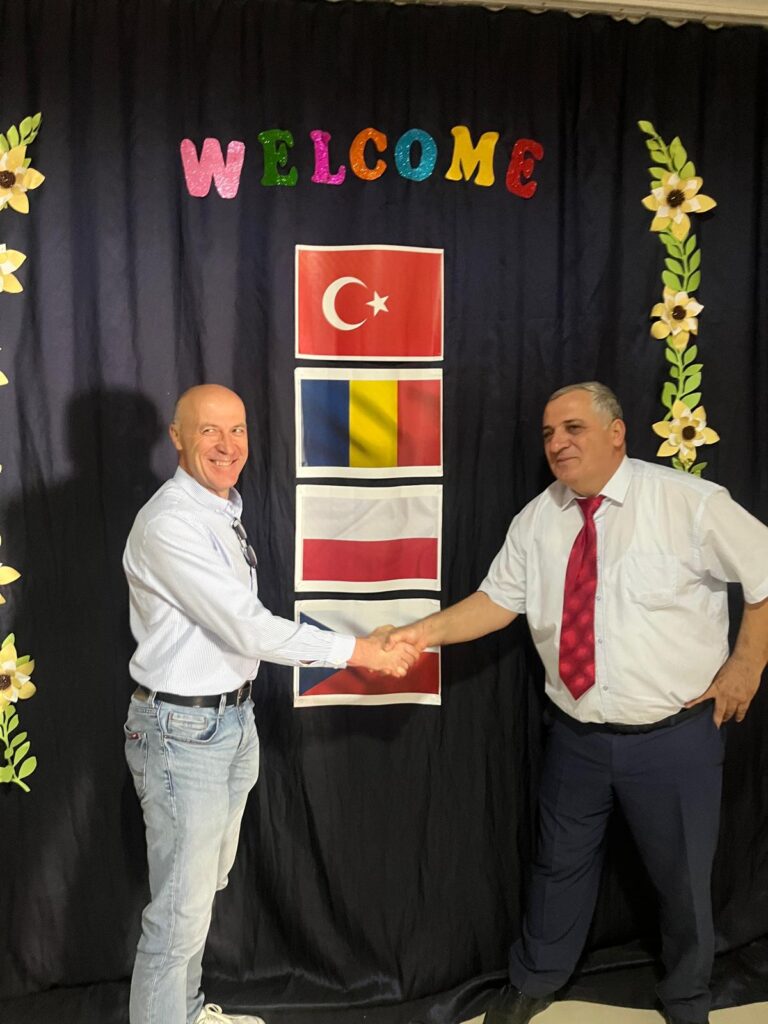
TPM Turkey
Location: Akşehir, a district of Konya province, located in the Central Anatolia Region of Turkey
Date: October 27-28, 2025
Host: ARTICA CREATIVITY ASSOCIATION
1. General Information About the Meeting
- Type of Activity: Project Conclusion and Evaluation Meeting
- Venue: Türkiye
- Dates: 27–28 October 2025
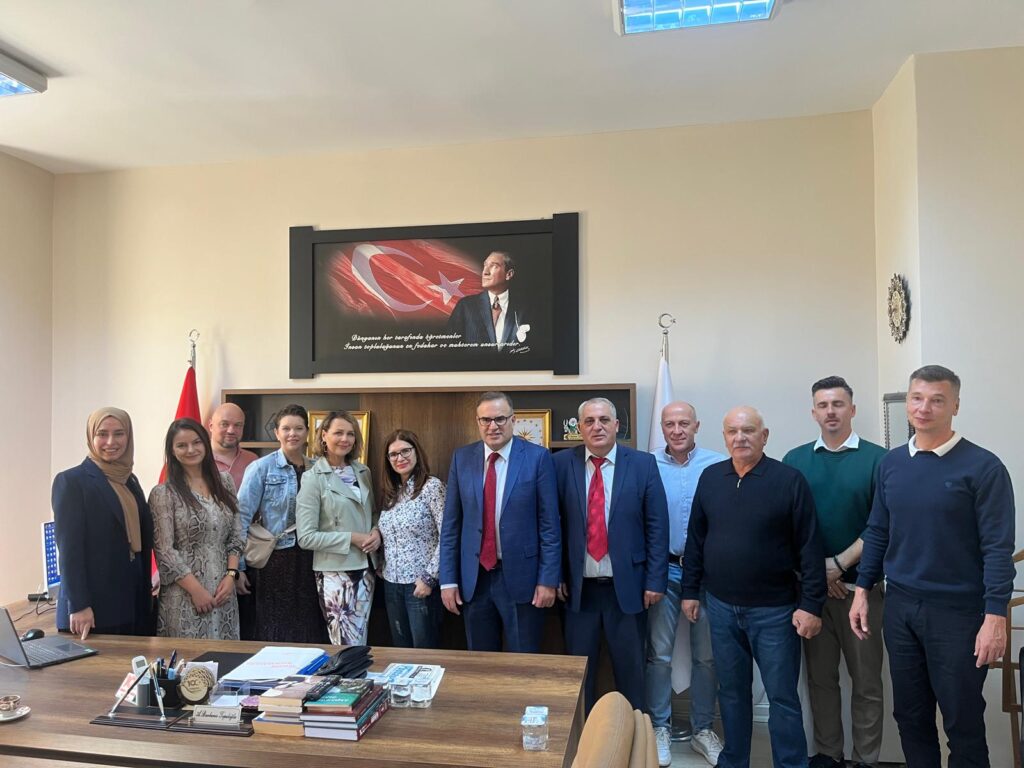
- Host Organisation: Artika Creativity Association (Türkiye)
- Participating Organisations:
- Stowarzyszenie Na Rzecz Osób Niepełnosprawnych “Radość Życia” (Poland)
- Europe for You, z.s. (Czech Republic)
- Asociatia “Integrare europeana in domeniul tineretului, sportului, voluntariatului si cetateniei europene active” (Romania)
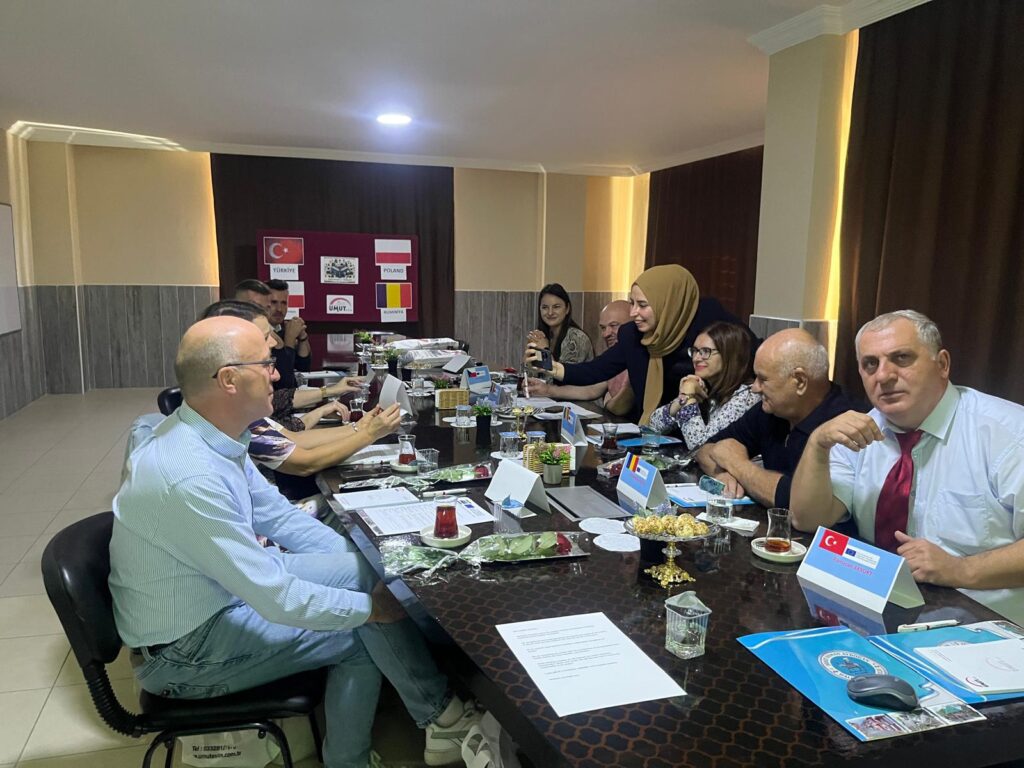
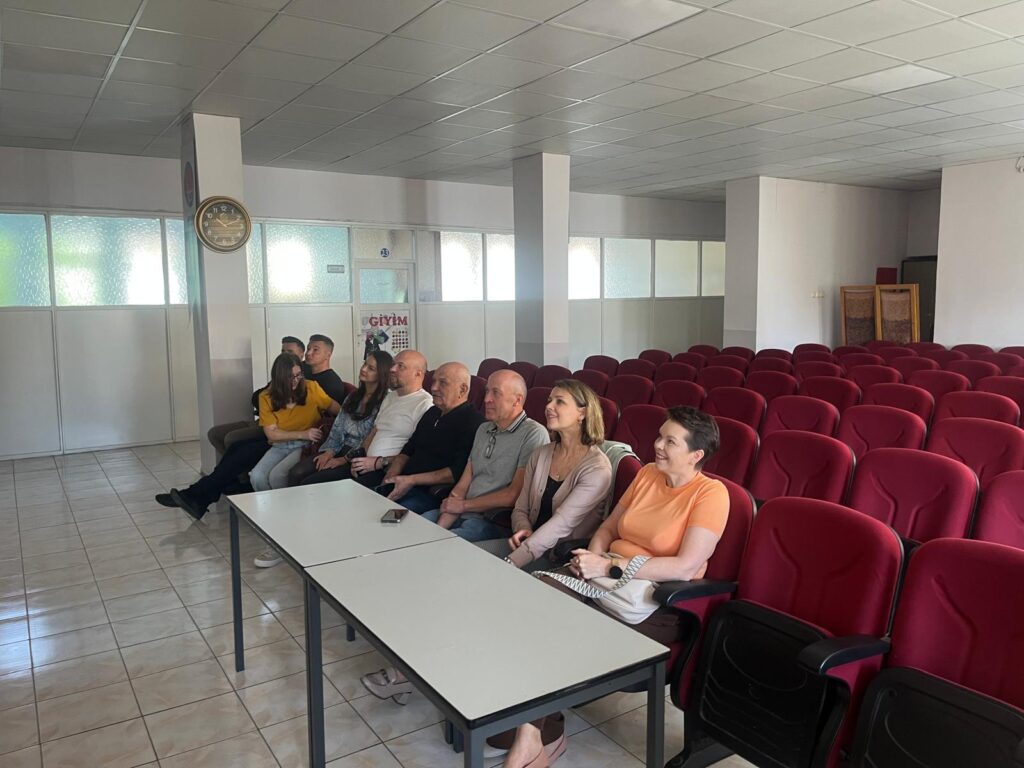
The meeting was implemented in Türkiye as the final transnational activity of the Erasmus+ KA210-ADU project and marked the official completion of the project lifecycle.
2. Objectives of the Meeting
The main objectives of the conclusion and evaluation meeting were:
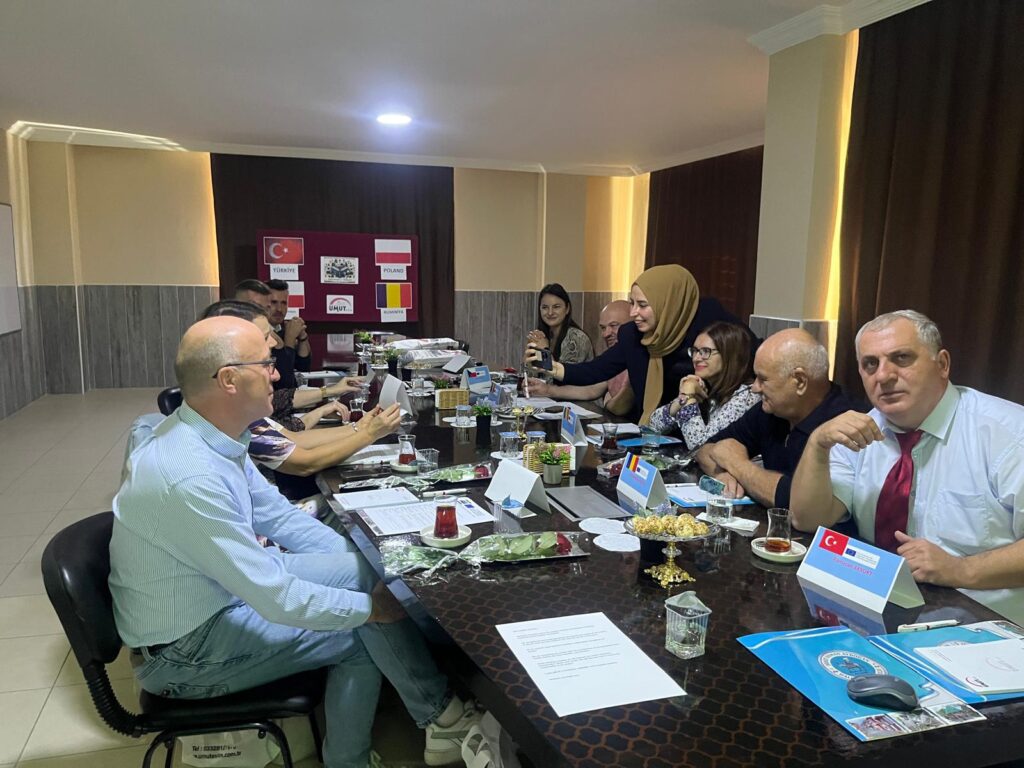
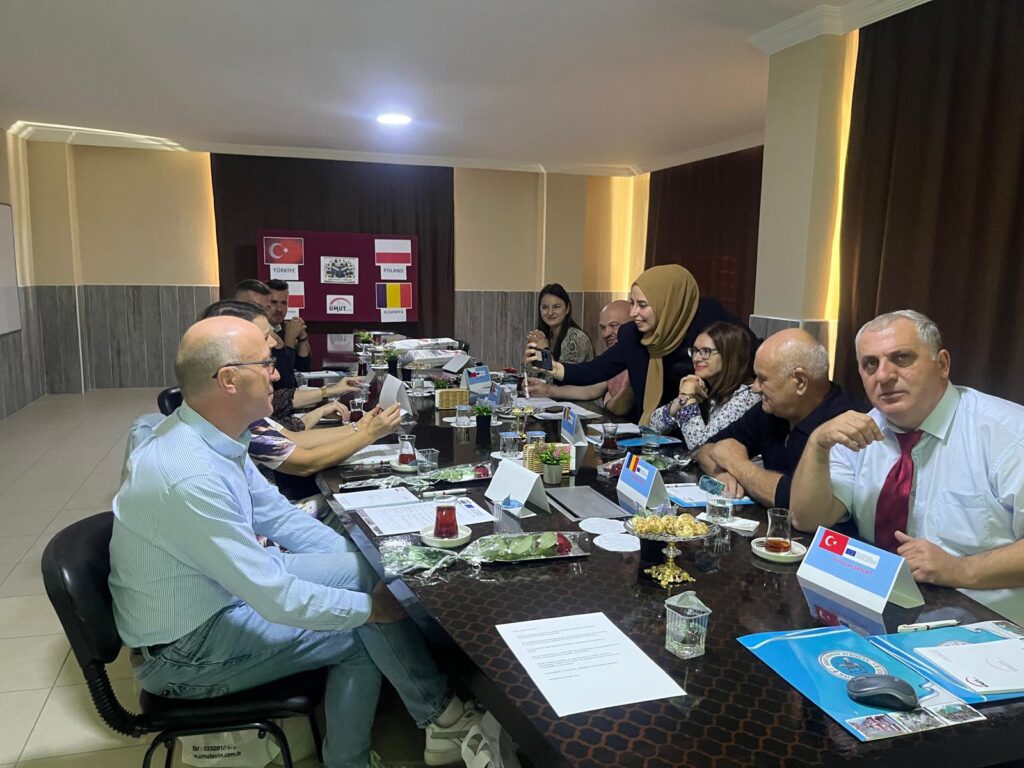
- To assess all activities and work packages implemented during the project
- To evaluate the level of achievement of the project objectives
- To analyse the effectiveness and impact of the intellectual outputs
- To review dissemination activities and multiplier events
- To evaluate budget implementation and financial compliance
- To assess the impact of the project on partner institutions and countries
- To define sustainability measures for continued use of project results
- To assign responsibilities for the preparation of the final project report
3. Target Groups
The meeting was attended by the following target groups:
- Project managers of partner organisations
- Legal representatives of partner institutions
- Financial officers responsible for budget management
- Key staff involved in project coordination and implementation
Indirect beneficiaries of the meeting outcomes included:
- Adults with disabilities
- Adult educators
- Adult education institutions operating in partner countries
4. Content of the Meeting and Implemented Activities
Day 1 – Project Performance and Management Evaluation
During the first day of the meeting:
- Project objectives were reviewed in detail, and the degree of achievement of each target was evaluated.
- The overall success, performance, and quality of project implementation were analysed.
- Objectives that were partially achieved or not fully completed were identified, and corrective actions were agreed upon.
- The project budget was reviewed, including partner expenditures and financial accuracy.
- Compliance with the project timeline was evaluated, and reasons for any delays were discussed.
- Quantitative and qualitative evaluation tools used in the project (satisfaction surveys, training evaluation questionnaires, and assessment scales) were presented and reviewed.
Day 2 – Dissemination, Impact, and Sustainability
During the second day of the meeting:
- The dissemination results of the intellectual outputs were evaluated.
- Each partner presented information about the multiplier events implemented in their countries.
- The results of satisfaction surveys and training evaluation questionnaires were analysed.
- Engagement and reach data from the project website, social media channels, and the EPALE platform were reviewed.
- Partners shared information on the impact of the project results on their institutions and national contexts.
- Sustainability decisions were taken to ensure the continued use and dissemination of project outputs after the project’s end.
- Tasks and responsibilities related to the preparation and submission of the final project report were assigned among partners.
5. Achieved Results
As a result of the meeting, the following outcomes were achieved:
- Actions were initiated to complete any unachieved or partially achieved project objectives.
- Partners reviewed their budgets and corrected missing or incorrect expenditures.
- The level of interest in the intellectual outputs was measured, confirming increased awareness in the field of adult education for adults with disabilities.
- New cooperation opportunities among partners were identified for future Erasmus+ projects.
- Decisions were taken to continue dissemination activities beyond the project duration.
- Training materials and intellectual outputs were further improved based on evaluation feedback.
- The preparation of the final project report was coordinated efficiently, ensuring timely and accurate submission.
6. Conclusion and Overall Evaluation
The conclusion and evaluation meeting held in Türkiye successfully demonstrated that the project achieved its planned objectives and produced meaningful and sustainable results. The evaluations confirmed the positive impact of the project on adult education for adults with disabilities and ensured that the project was completed with a strong focus on quality, accountability, and sustainability.